Blogs
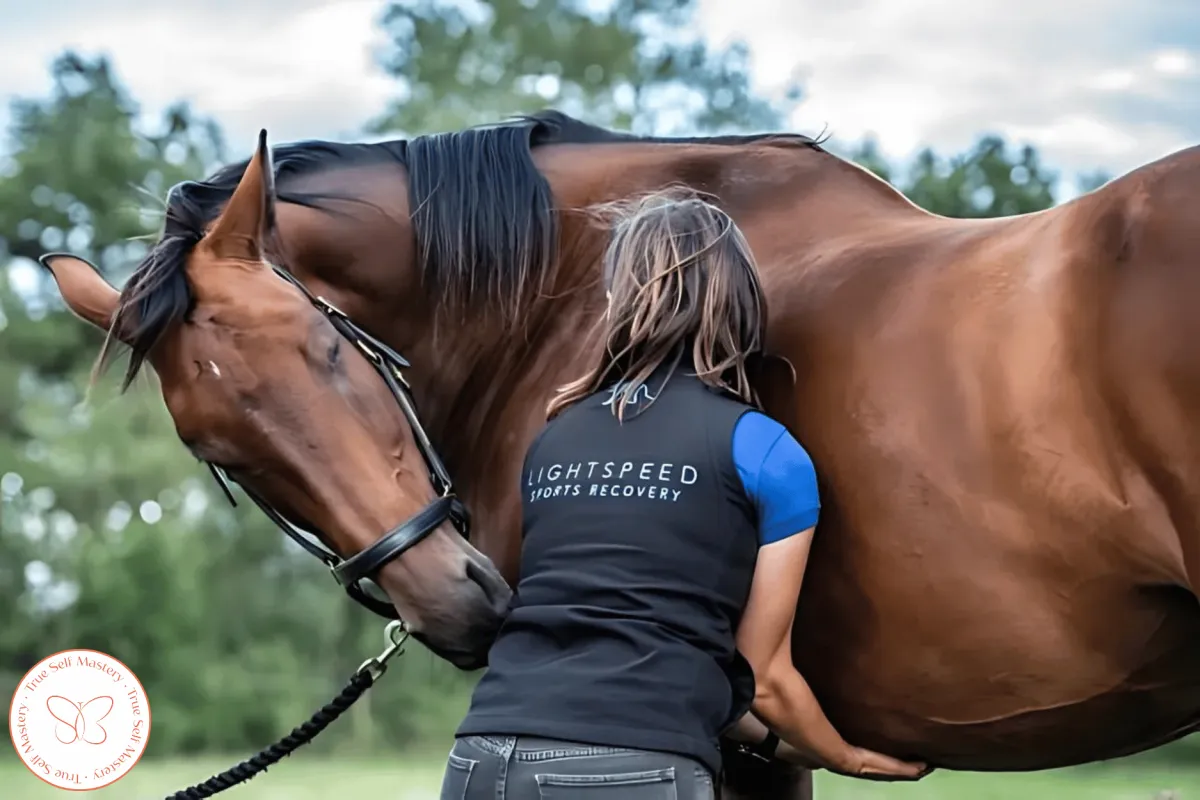
How to Communicate With Your Horse (When Nothing Else Has Worked)
You've tried everything.
New saddle fitted by a specialist. Vet cleared the horse—no pain, no injury. You brought in a trainer to watch. Changed the bit. Adjusted your riding schedule. Added supplements. Booked another bodywork session.
The horse improves for a week, maybe two. Then the stiffness comes back. The resistance returns. The connection you're seeking stays just out of reach.
So you start the cycle again. Different expert. Different adjustment. Same pattern.
Most riders spend thousands treating the symptom—the horse's behavior or restriction—without ever addressing what creates it in the first place.
The horse isn't the problem. The horse is the messenger.
The £10,000 Mare That Changed Everything
The mare in Liverpool had cost her owner over £10,000 in diagnostics.
Multiple vets. Specialists. Tests. Scans.
Every result came back inconclusive. The professionals called her "unfixable."
When I arrived, I watched the mare standing in the yard. Tense through her poll. Holding her breath. Eyes dull.
Then I watched the rider approach.
Shoulders tight. Breathing shallow. Moving quickly like she was bracing for what might go wrong.
The mare's tension wasn't mysterious at all.
She was mirroring exactly what her rider was carrying.
I asked the rider to mount and do a simple exercise with me. Nothing about the horse. Everything about her own state.
Three minutes.
That's how long it took.
The rider picked up her reins, asked the mare to walk forward, and tears started streaming down her face.
"My horse feels totally different. For the first time, I can feel her breathing. She feels so relaxed."
The mare hadn't changed. The rider had.
And the mare responded the only way horses know how—by reflecting what was being brought into that moment.
Why Horses Mirror Your State
The solution was already there. Not hidden in another diagnostic. Not locked behind another £10,000 investment. Right there in the partnership, waiting to be unlocked.
Horses communicate primarily through state and body language, not verbal cues. They're reading tension, breath patterns, and energy shifts before we even touch them. This comes from being prey animals designed to read the nervous systems of those around them for survival. Practical biology, not magic.
Your horse feels the tension you carry in your shoulders and tenses in response. Your shallow, quick breathing shifts their own breath pattern. Mental scatter or anxiety creates reactivity or shutdown in them.
This happens before you pick up the reins, give any aids, or enter the arena.
The horse mirrors your state because that's how they communicate with each other and with us.
What State Work Actually Means
State work isn't about "being calm" or "thinking positive thoughts." It's about becoming aware of what you're carrying physically and emotionally, then learning to regulate it before you interact with your horse.
Your state includes:
Physical tension — Where are you holding tightness in your body? Shoulders, jaw, hips, hands?
Breath pattern — Are you breathing shallow and high in your chest, or deep and grounded in your belly?
Mental focus — Are you present with your horse right now, or replaying yesterday's ride or worrying about what might go wrong?
Emotional charge — Are you frustrated, anxious, or disconnected? Or grounded, curious, and open?
Showing up tense and braced means your horse mirrors that tension immediately. Showing up present and grounded allows them to soften.
This is why treating the horse's symptoms rarely creates lasting change. The horse is responding to what you bring into the arena. Change what you bring, and the horse's response changes.
What Changes When You Understand This
Once you see that your horse mirrors your state, everything shifts.
You stop cycling through solutions that only address symptoms—new saddles, different trainers, more treatments. Instead, you ask: what am I bringing into this interaction?
You develop the ability to read what your horse is showing you about your own state. Your horse braces, and you check your own tension. They resist, and you notice your breath. They shut down, and you examine whether you're truly present.
You create a foundation for every interaction. Working on your own state first becomes the standard that determines whether that session feels like progress or frustration.
The rider in Liverpool didn't need another diagnostic. She needed to understand that her mare was showing her exactly what she was carrying—and that once she shifted her state, the mare could finally relax.
This is the communication your horse has been offering all along. Clear, honest, immediate feedback about what you're bringing into the partnership.
When you learn to read it, everything changes.
Where This Work Lives
The principle that horses mirror your state—and that your state sets the standard for every interaction—forms the foundation of The Horse Listener framework.
State work comes first. Assessment, technique, and adjustment to the horse follow after that foundation is established. Without it, everything else treats symptoms.
The Liverpool mare taught me something I see confirmed in every session: the transformation riders seek is already available in the partnership. It's not locked behind more expertise or equipment or diagnostics.
It's waiting in the conversation between you and your horse, the moment you become present enough to hear what they've been showing you all along.
⤥ Learn about The Horse Listener framework: https://www.nikavorster.com/the-horse-listener
NIKA