Blogs
The Cinema Affected My Riding
I went to the cinema last night for the first time in over 10 years.
The film was excellent. Always with an unexpected twist at the end. But that's not what stayed with me.
I had a whole bag of popcorn. Sweet, salted, and caramel all mixed together. I couldn't stop eating it. One of those foods where you never quite feel full, so you just keep going.
This morning I woke up flat despite eight hours of sleep. Couldn't stop yawning. My body felt heavy, like I was moving through fog.
When I went to the arena, everything felt off.
I was annoyed before I even started. Couldn't focus on what my horse was showing me. The whole session felt like a waste of time.
The Old Pattern
Three years ago, I would have blamed myself immediately.
I'd think I needed to eat less. Maybe skip meals for a day or two. Punish myself back into feeling "normal."
I spent years in that cycle. Something would go wrong with my energy, my focus, or my mood, and I'd turn it inward. My fault. My weakness. My lack of discipline.
When I started gaining weight despite riding six hours a day, I doubled down on restriction. When my period pain got so bad I'd curl up on the stable floor, I thought I just needed to push through harder.
The doctor told me I had PCOS. Three out of four types. Inflammation markers through the roof. Hormones completely dysregulated.
Their solution? "Just manage it. Take these pills. Learn to live with it."
I tried everything. Every diet that promised results. They all failed because none of them addressed the real problem.
They were trying to override my body instead of working with it.
What Actually Changed
Today, I know better.
The seed oils in that popcorn created the fog. The industrial seed oils used to make cheap popcorn taste good.
When I stopped eating foods with high seed oil content, everything shifted. My thinking cleared. My emotions became easier to manage. My energy stayed steady throughout the day instead of crashing unpredictably.
These are exactly the qualities you need to listen to your horse: clear thinking so you can observe what they're actually showing you instead of projecting assumptions, emotional regulation so you can stay present when they test a boundary or show resistance, and steady energy so you don't bring fatigue and irritation into the arena.
What Your Horse Feels
This is why nutrition is part of The Horse Listener framework.
Your horse feels the state you bring into the arena. The fog, the irritation, the scattered focus—they mirror it all back to you.
And that state often starts with what you ate yesterday.
I've seen this pattern countless times working with riders and their horses.
The rider shows up anxious, rushing, holding tension in their body. The horse immediately becomes stiff, reactive, resistant.
The rider thinks: "My horse is having a bad day. Maybe they're sore. Maybe the saddle doesn't fit. Maybe I need a different trainer."
They spend thousands trying to fix the horse. New equipment. More lessons. Different techniques.
But the horse isn't the problem.
The horse is responding exactly as they should to what the rider is carrying.
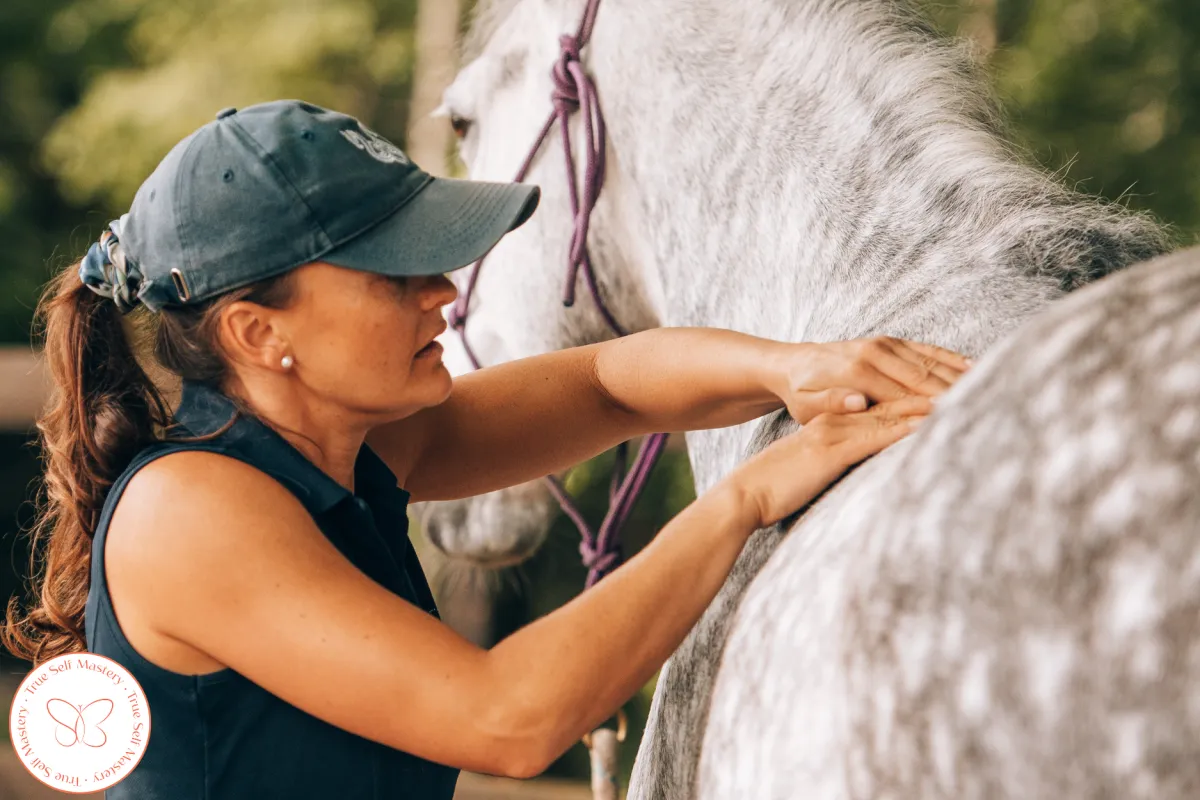
When I worked as an equine chiropractor, I treated horses at the highest level. Olympic teams. International competitions. Elite barns.
I could adjust their bodies, release the tension, improve their movement. But if the rider didn't change, the horse would be tight again within days.
The horses were mirroring their riders' states.
The Pattern I See Repeatedly
In my years working with riders and horses, I've noticed that many riders don't connect what they ate yesterday to how they feel in the arena today.
They notice the irritation, the lack of focus, the difficulty staying present. But they don't trace it back to the meal that created the fog.
Seed oils show up in almost everything:
Restaurant food (nearly all commercial cooking oil)
Packaged snacks and treats
Sauces and dressings
"Healthy" processed foods
Coffee shop pastries
They're cheap to produce and shelf-stable, so food manufacturers use them everywhere.
But your body responds to them differently than it does to whole foods. They create inflammation, disrupt your hormones, and fog your thinking while destabilizing your mood.
Then you bring that fog into the arena with you.
Your horse feels it immediately. They don't understand seed oils or inflammation or hormones. They just feel that you're not present, not grounded, not available for connection.
So they respond accordingly. Stiff. Reactive. Shut down.
What To Do With This
Next time you feel unfocused or irritated during a session with your horse, ask yourself: what did I eat yesterday?
Not to punish yourself. Not to restrict or skip meals.
Just to notice the pattern.
You might find that certain foods consistently create that fog. For me, it's seed oils. For you, it might be something different.
The goal isn't perfection. It's awareness.
When you start paying attention to how food affects your state, you can make choices that support the kind of presence your horse needs from you.
Clear thinking. Emotional regulation. Steady energy.
The qualities that make you a Horse Listener instead of someone trying to force a relationship through technique alone.
Your horse has been telling you this all along. They've been showing you exactly what state you're bringing to them.
When you're ready to listen, the conversation changes completely.
About The Horse Listener
The Horse Listener is a 6-week program that teaches you to develop complete understanding and effortless communication with your horse. You'll learn to read what your horse is telling you before you even touch them, understand your own body's role in every interaction, and know exactly what your horse needs from you in each moment.
Learn more at nikavorster.com/the-horse-listener